



arrow-up

Every tool leaves a footprint. The uniquely human responsibility is deciding what we do with it.

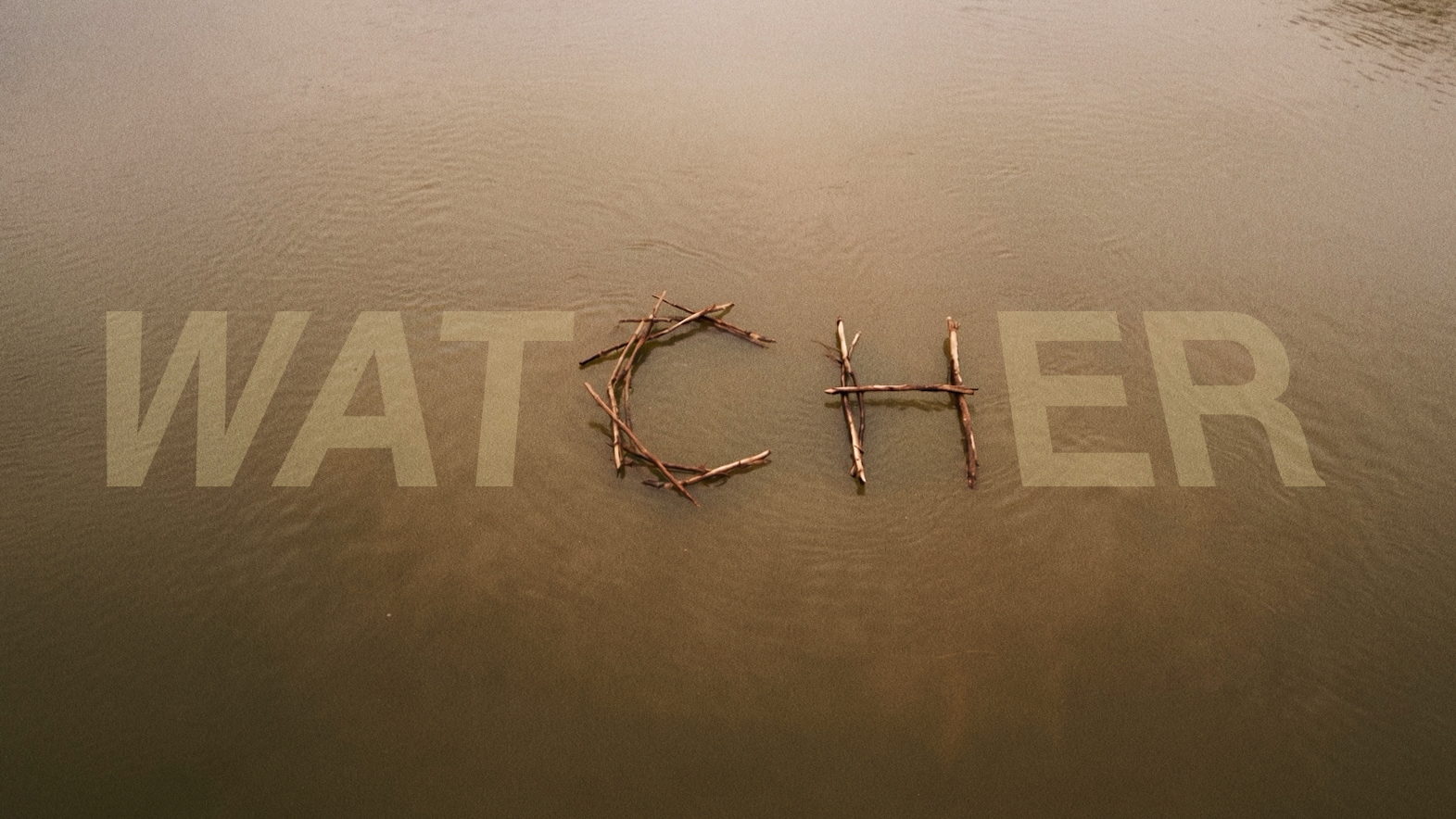
WATCHER: Seeing Climate Change Through Different Eyes

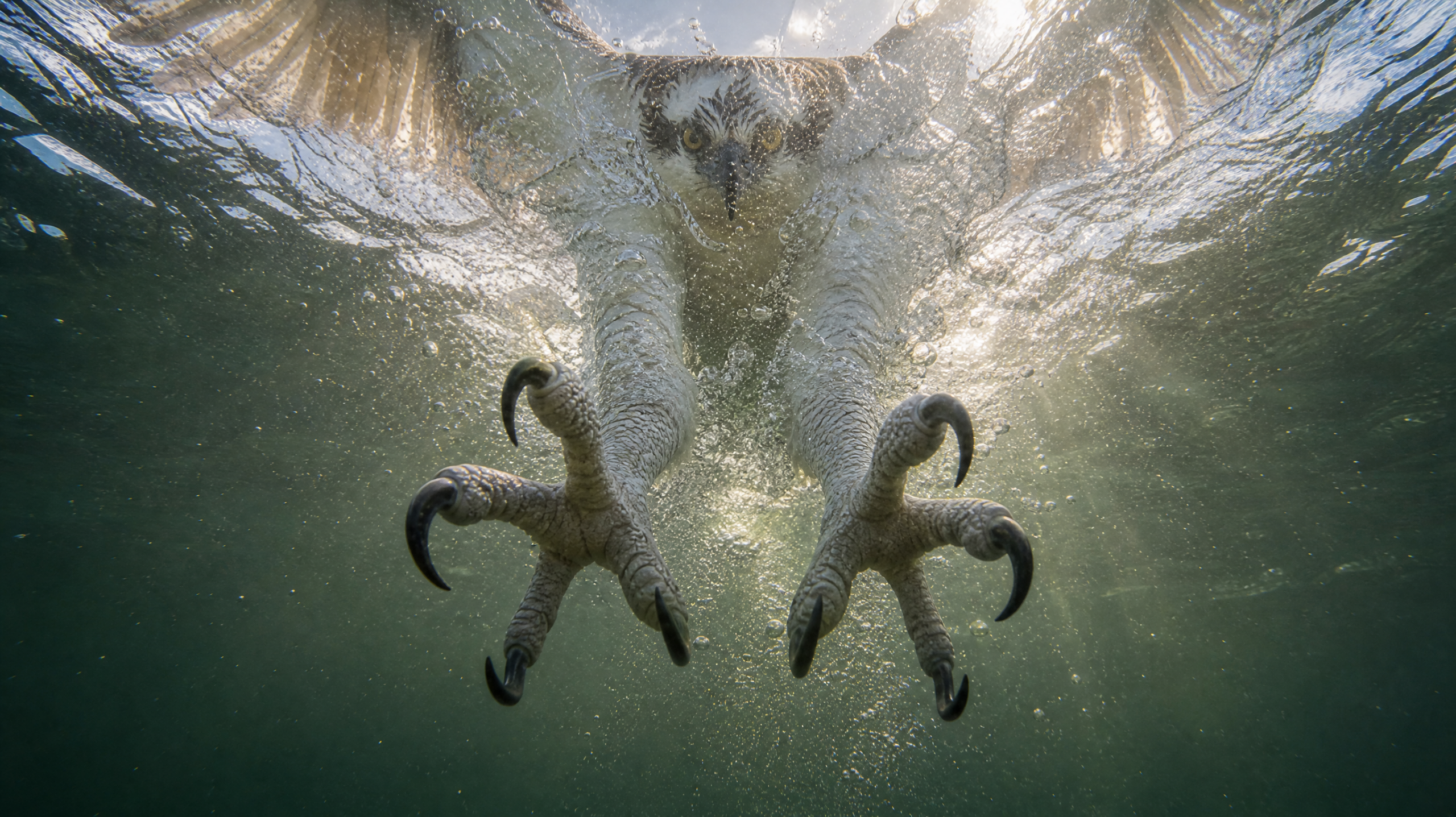
Daniels By Design teamed with Creative Director Anfon Ha to create WATCHER, a short film for the 2026 Prince George’s County Film Festival’s inaugural Climate & Environmental Storytelling Track. Told through the eyes of an osprey, the film turns a familiar local landscape into a meditation on environmental change, human choices—and our responsibility to pay attention.

The Challenge

Climate stories can easily become lectures. Technology stories can just as easily become demonstrations of the technology itself.

Our challenge was to do neither.

We wanted to create an emotionally resonant environmental story that felt unmistakably rooted in Prince George’s County—its waterways, neighborhoods, Black culture, history and changing landscape—without making the County simply a backdrop or turning the film into a government PSA.

At the same time, we wanted to explore what emerging generative filmmaking tools could make possible while confronting an important contradiction: traditional film production has an environmental footprint. AI does, too.

How could we use new tools to tell a meaningful climate story while remaining thoughtful about the environmental consequences of the tools themselves?

Our Approach

We began with a deceptively simple creative premise: pay attention.

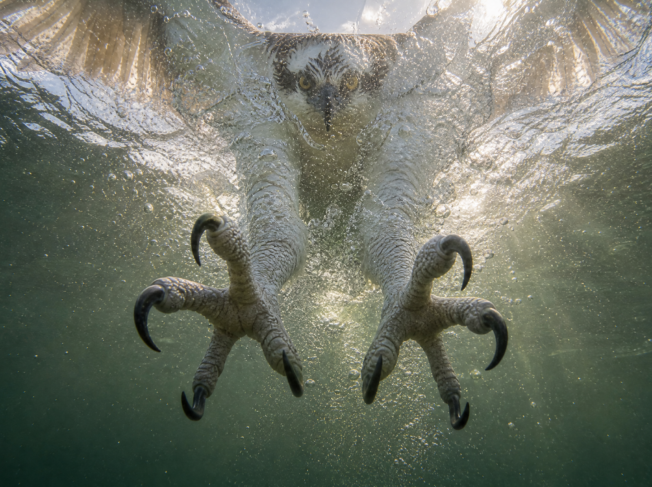
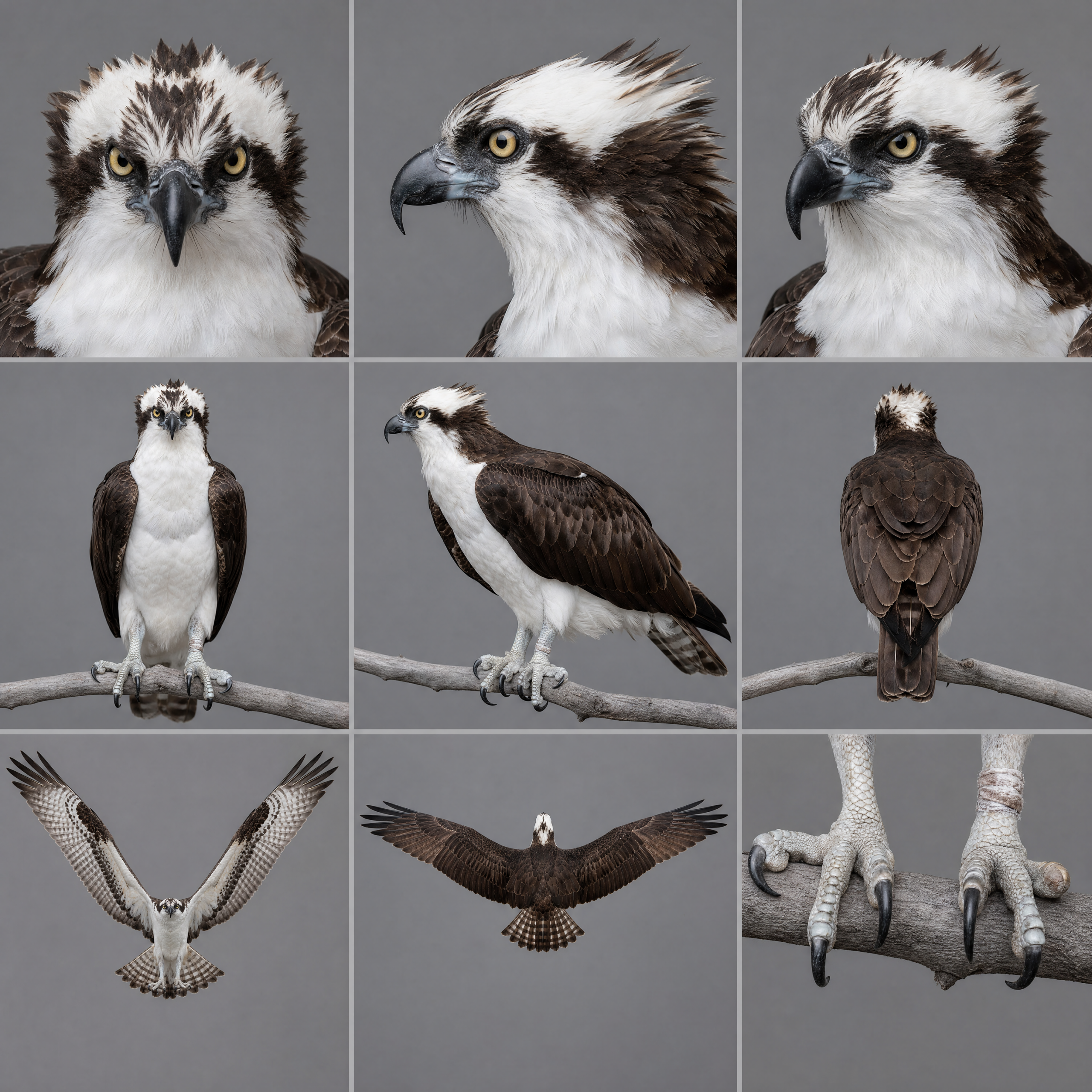
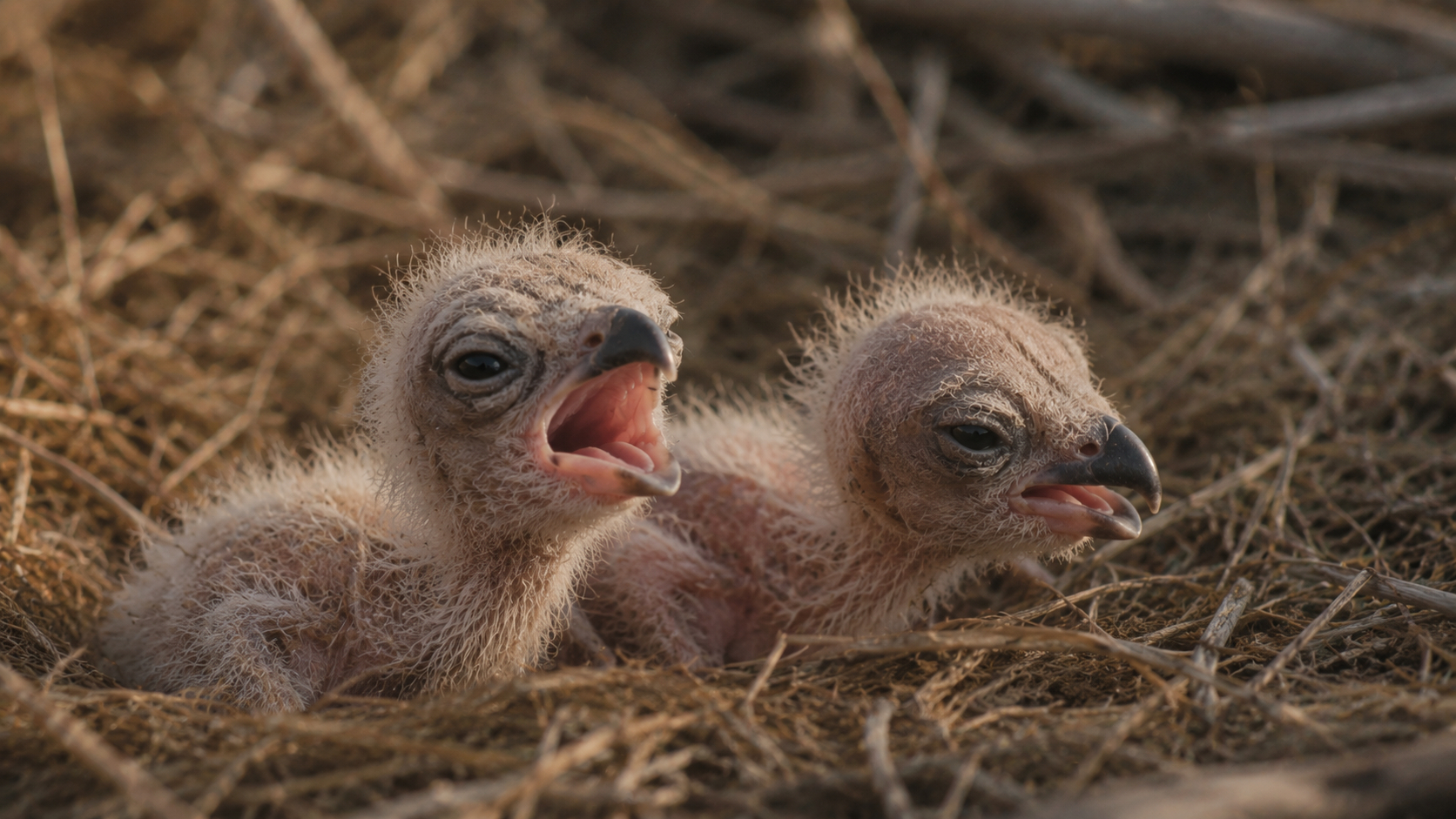
An osprey became our watcher—an observer whose lineage has returned to the same waterways, trees and landscapes across generations. From that elevated perspective, changes that might feel gradual to people become part of a much longer environmental record.

Brand Strategy:

Creative Storytelling:

Holistic Communications:

The Results

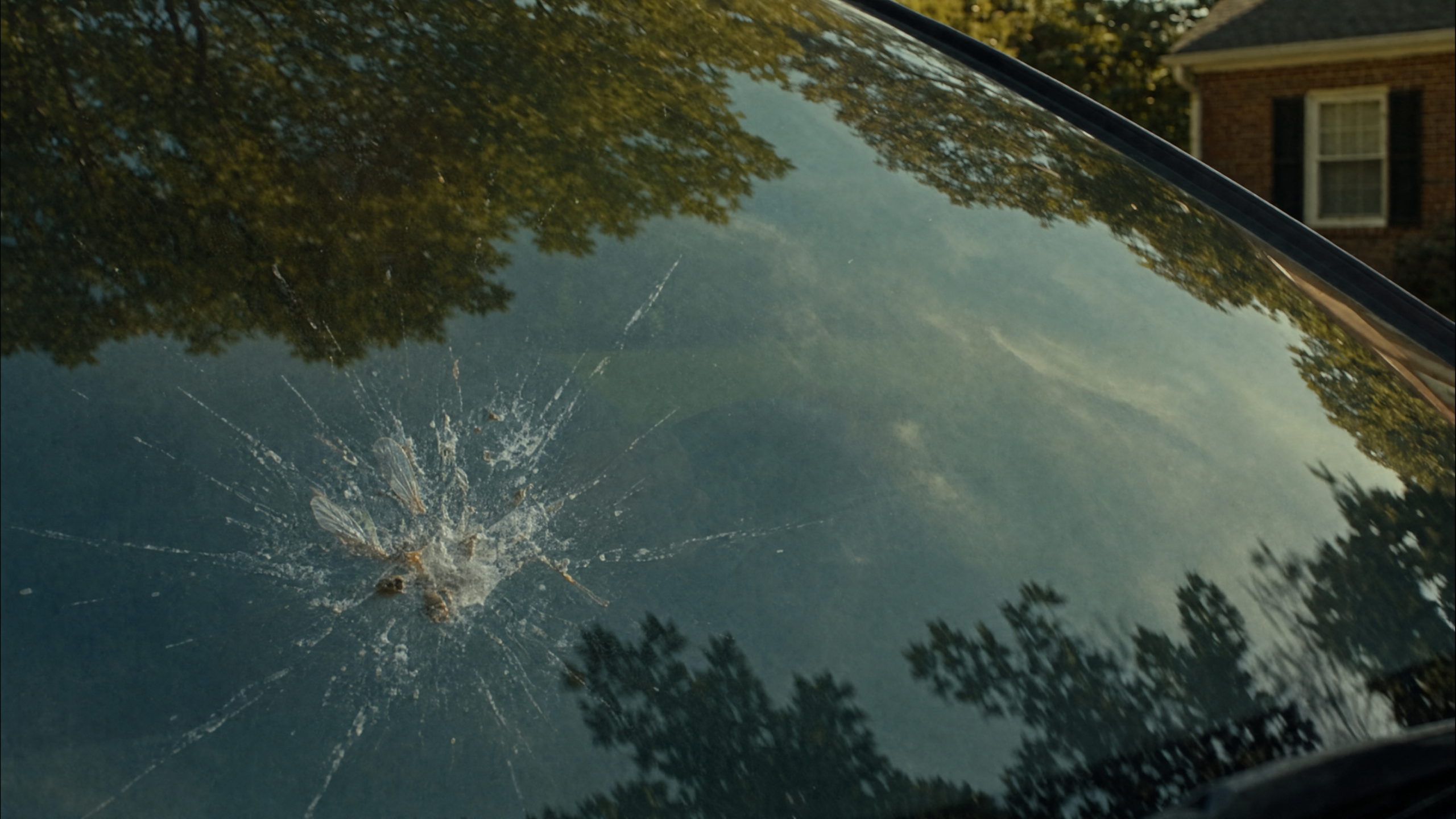
The finished WATCHER transforms a local environmental story into something broader: an invitation to notice how landscapes change, how seemingly ordinary choices accumulate over time and how people remain capable of both damage and repair.

Only after audiences have experienced the film on its own terms does its production method become part of the message. The imagery was created largely through generative filmmaking tools—but the places, environmental concerns, cultural context and creative choices behind them are real.

Submitted for consideration to the 2026 Prince George’s County Film Festival’s Climate & Environmental Storytelling Track, WATCHER also serves as a demonstration of what can happen when human creativity and emerging technology are treated as collaborators rather than substitutes.